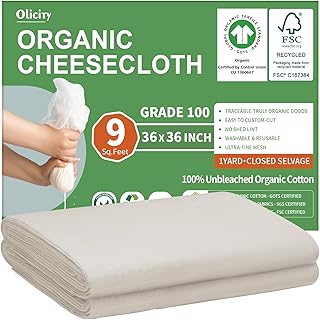
What is Cheesecloth and Why is it a Kitchen Essential?
Cheesecloth is a lightweight, gauzy cotton fabric that has been a staple in kitchens for centuries. While its name suggests a single purpose, this versatile material is far more than just a tool for cheesemaking. Its open weave allows liquids to pass through while trapping solids, making it indispensable for a wide range of culinary and crafting tasks. From straining stocks and bundling herbs to polishing silver and creating Halloween decorations, cheesecloth is a multi-functional workhorse that every home cook and DIY enthusiast should have on hand.
Understanding Cheesecloth Grades: From Loose to Ultra-Dense
Not all cheesecloth is created equal. It's categorized by grades, which refer to the number of threads per inch. The most common grades you'll encounter are 10, 40, 60, 80, and 90, but for serious culinary applications, Grade 100 cheesecloth is the gold standard. This ultra-fine weave, often called butter muslin, has the tightest mesh, preventing even the smallest particles from passing through. This makes it perfect for straining fine consommés, clarifying butter, making soft cheeses like ricotta, and creating smooth nut milks. Many of the products we recommend, like the Cotton Farm Grade 100 XL Cheese Cloth, are specifically designed for these demanding tasks.
Key Features to Look for in Quality Cheesecloth
When shopping for cheesecloth, several features determine its quality, durability, and suitability for your projects:
Material: Always opt for 100% unbleached cotton. Unbleached fabric is free from chemical residues, making it safer for food contact. The Organic Cheese Cloths, GOTS Certified are an excellent choice for those seeking an eco-friendly and health-conscious option.
Edges: Look for hemmed or closed edges. This prevents fraying, extends the cloth's lifespan, and makes it much easier to handle, especially when wet and heavy. Products like the 12Pcs Reusable Cheese Cloths with hemmed edges are built to last through many uses.
Reusability: High-quality cheesecloth is reusable. After use, simply rinse it in cold water, wash with mild soap, and air dry. A pack like the 6-Pack Beige Cheesecloth offers great value, providing multiple cloths for different tasks or for use in succession during big cooking projects.
Top Uses for Cheesecloth in Your Home
The applications for this simple fabric are nearly endless. Here are some of the most popular and practical uses:
1. Culinary Straining: This is its classic use. Use it to strain yogurt to make Greek yogurt, separate curds from whey in cheesemaking, clarify butter or broths, and make fresh fruit juices without pulp. For frequent juicing, a dedicated juicing cheesecloth is a wise investment.
2. Herb and Spice Bundling: Create a bouquet garni by tying herbs like thyme, parsley, and bay leaves inside a small square of cheesecloth. This allows flavors to infuse into soups, stews, and stocks without leaving behind stray leaves.
3. Turkey and Meat Preparation: A damp cheesecloth soaked in butter or oil and draped over a turkey breast during roasting helps keep the meat incredibly moist and promotes even browning. The precut cheesecloths are the perfect size for this holiday essential task.
4. Crafting and DIY Projects: Its gauzy texture makes it ideal for ghost decorations, costume creation, faux cobwebs, and as a base for papier-mâché. It's a staple in the world of DIY crafts.
5. Household Polishing: Cheesecloth is lint-free, making it excellent for polishing glass, silverware, and cars to a streak-free shine.
Choosing the Right Cheesecloth for Your Needs
Your choice depends on the task at hand. For a general-purpose, bleached option readily available in many stores, the GoodCook Everyday Cotton Cheesecloth is a reliable pick. For smaller, frequent tasks like straining batches of lemon curd or making small amounts of cheese, a precut cheesecloth pack in a convenient size is ideal. If you're a serious cook or cheesemaker investing in a single, high-quality piece, consider the MAJESTIC CHEF Natural Cheesecloth. For more insights, check out our detailed MAJESTIC CHEF Natural Cheesecloth Review.
Care and Maintenance Tips
To get the most out of your reusable cheesecloth, proper care is key. Always rinse it thoroughly in cold water immediately after use to remove food particles. For stubborn stains (like turmeric or tomato), soak it in a solution of baking soda and water. Hand wash with a mild detergent and air dry completely before storing. Avoid using fabric softener, as it can clog the weave and reduce absorbency. With proper care, a high-grade cloth like the High-Grade 100 Cheesecloth 6-Pack can be used dozens of times.
Whether you're embarking on a DIY cheese making project, clarifying a broth, or trying a new crafting technique, having the right cheesecloth makes all the difference. By understanding the grades, features, and best practices outlined in this guide, you can confidently select a product like the versatile Mostdream Cheese Cloths 10-pack and unlock the full potential of this humble yet indispensable kitchen and household tool. For an even deeper dive, explore our comprehensive Complete Guide to Cheesecloth.